Key Takeaways
- Falls are one of the most common causes of injury among older adults and can affect confidence, independence, and daily routines.
- Common fall risks include changes in strength and balance, medication side effects, chronic health conditions, and environmental hazards.
- Reduced physical activity can contribute to weaker muscles and decreased stability, increasing the likelihood of falls.
- Assisted living communities use personalized care plans to identify risks and provide support tailored to each resident.
- Community design features such as handrails, accessible layouts, and proper lighting help reduce common safety hazards.
- Wellness programs, attentive caregivers, and ongoing monitoring support mobility and help residents stay active and engaged.
Safety in Senior Living Is Worth Talking About
When families begin exploring assisted living, safety is often one of their biggest concerns. They want to know that a loved one will have the support they need, especially if balance, mobility, or recent health changes have made daily life more challenging. Questions about falls are common, and for good reason.
A fall can affect more than physical health. It can change a person’s confidence, limit their willingness to participate in activities, and make everyday tasks feel more difficult. That’s why fall prevention is an important part of life in assisted living communities, where personalized support, thoughtful planning, and attentive care all work together to help residents remain active and engaged.
Why Fall Prevention Matters in Senior Care
Falls are one of the most common causes of injury for older adults, and they can affect more than just physical health. When someone experiences a fall, or even develops a fear of falling, they sometimes pull back from activities and social connections that make daily life meaningful.
That’s why prevention is so much more than a checklist. It’s about protecting a person’s ability to stay active, engaged, and independent. Proactive support in a senior living community helps residents hold onto the routines and relationships that matter most to them.
Common Factors That Raise Fall Risk
Most falls happen because of several contributing factors rather than a single cause. Understanding what increases fall risk can help families recognize when additional support may be beneficial.
Changes in Strength, Balance, and Mobility
As people age, it’s common to experience gradual changes in muscle strength, balance, and coordination. Tasks that once felt effortless, such as climbing stairs or standing from a chair, may require more concentration and stability. These changes can make everyday movements less predictable and increase the likelihood of a fall.
Medications and Health Conditions
Certain medications can cause dizziness, drowsiness, or changes in blood pressure that affect stability. Chronic conditions such as arthritis, diabetes, Parkinson’s disease, or vision impairments may also influence mobility. When several health factors overlap, even routine activities can become more challenging to navigate safely.
Household and Environmental Hazards
Many falls occur because of obstacles that are easy to overlook. Poor lighting, slippery floors, loose rugs, cluttered walkways, and uneven surfaces can all create unnecessary risks. Unfamiliar surroundings can present additional challenges, particularly during periods of transition or adjustment.
Reduced Physical Activity
A less active lifestyle can gradually weaken muscles and affect balance. When strength and flexibility decline, the body becomes less prepared to react to sudden movements or unexpected changes in footing. Regular movement helps maintain many of the physical abilities that support safe mobility.
How Assisted Living Communities Approach Fall Prevention
Fall prevention is built into many aspects of daily life in assisted living. Rather than waiting for a problem to occur, communities often take a proactive approach that combines personalized support, thoughtful design, and ongoing wellness initiatives to help residents stay safe.
Personalized Care Plans
Every resident has unique needs, preferences, and health considerations. Personalized assessments help care teams identify potential risks and create support plans tailored to the individual. As needs change over time, those plans can be adjusted to provide the appropriate level of assistance.
Thoughtful Community Design
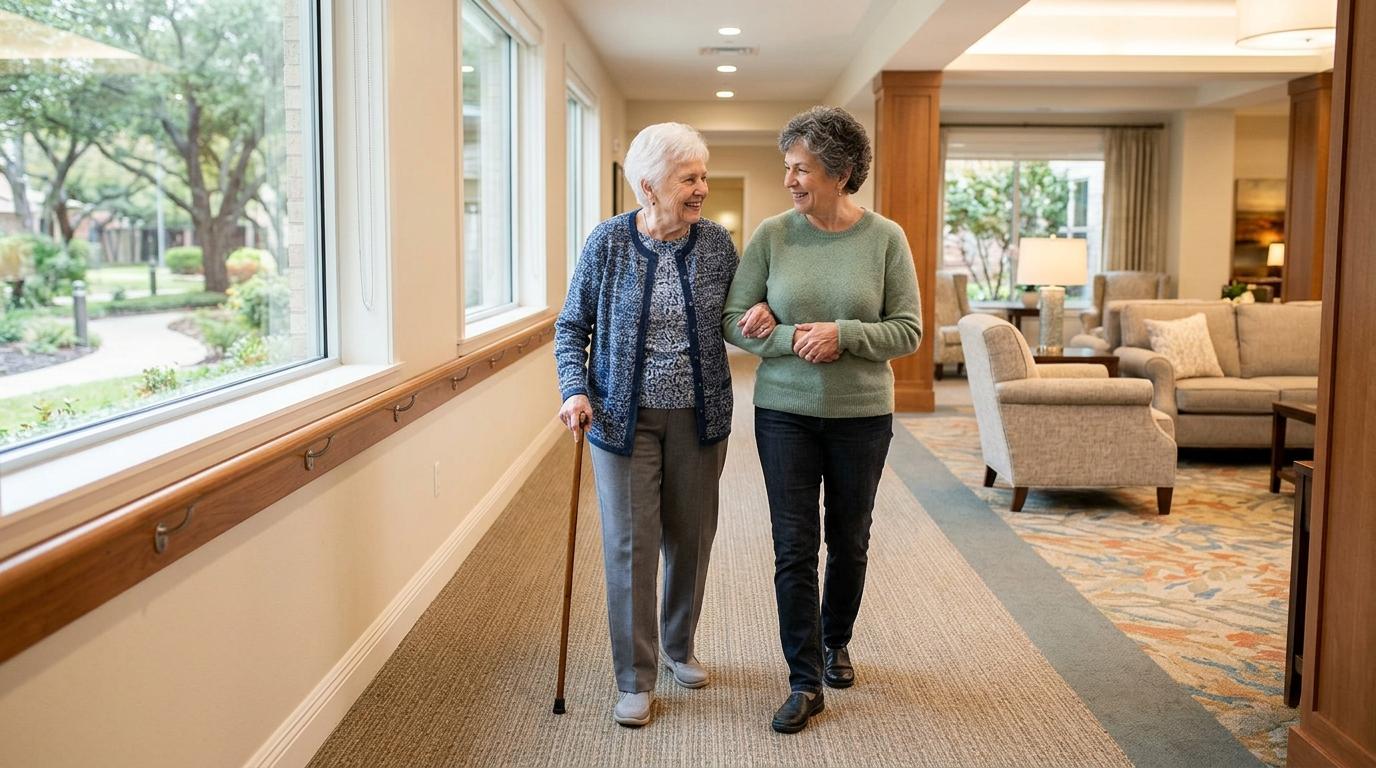
The physical environment can make a significant difference in reducing fall risk. Well-lit hallways, accessible bathrooms, handrails, open floor plans, and carefully maintained walking areas help create spaces that are easier and safer to navigate. These features support independence while reducing common hazards.
Ongoing Staff Support and Monitoring
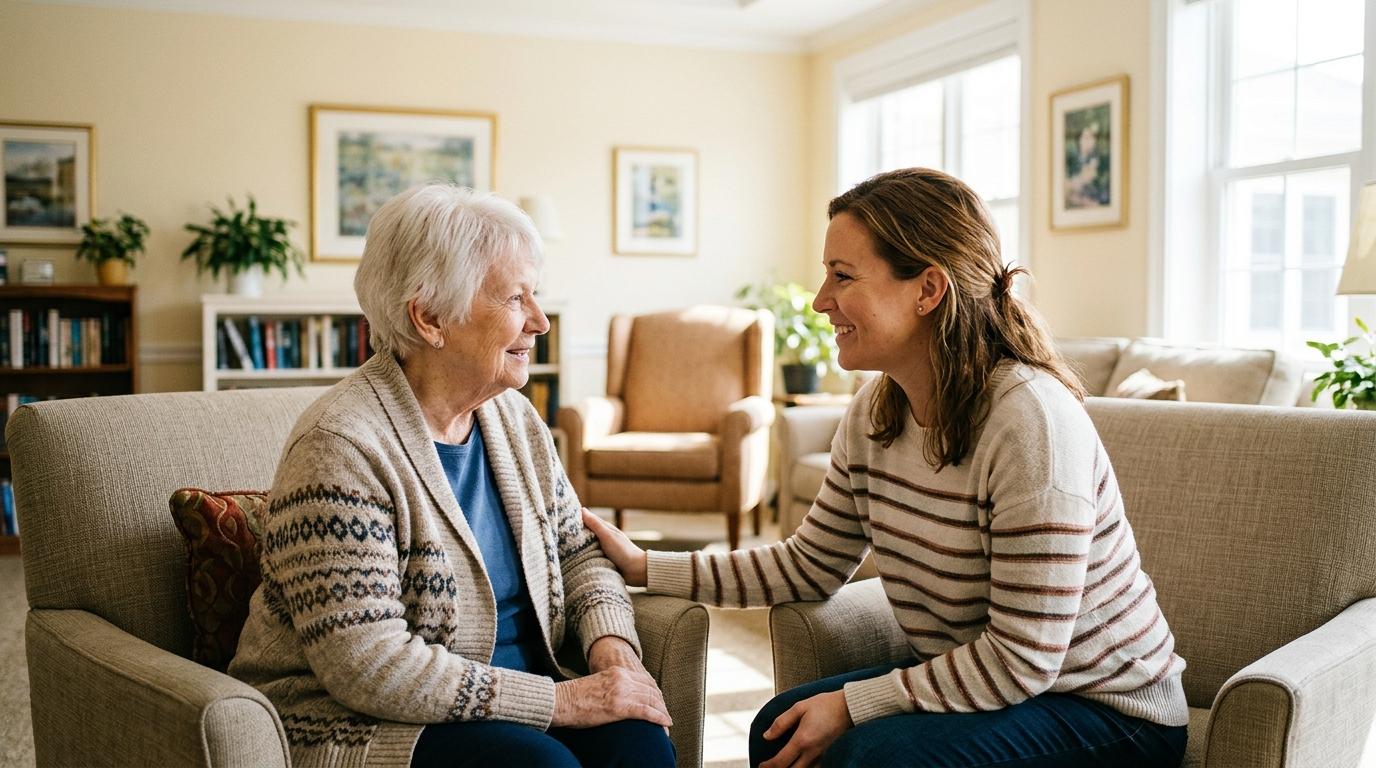
Having experienced caregivers nearby provides an added layer of reassurance for residents and families. Whether someone needs occasional assistance with daily activities or more regular support, attentive caregivers can help identify concerns early and respond when help is needed.
Wellness Programs That Support Mobility
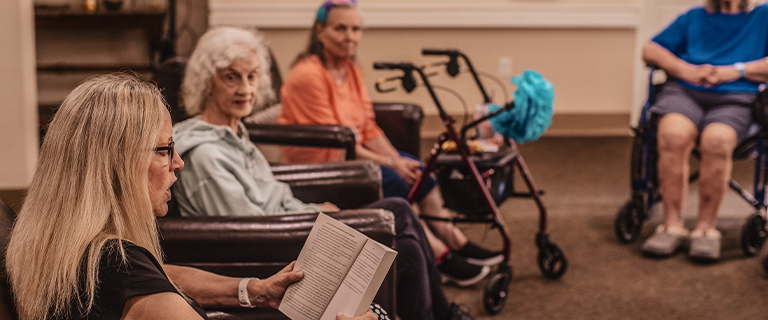
Many assisted living communities offer fitness and wellness programs designed to help residents maintain strength, flexibility, and balance. Exercise classes, walking groups, stretching programs, and other activities encourage regular movement while helping residents stay engaged with their peers and community.
Come See Safety and Care in Action at Parsons House Preston Hollow
Fall prevention is about more than avoiding accidents. It’s about creating an environment where older adults can move through daily life with confidence, maintain meaningful routines, and continue participating in the activities they enjoy. With the right support, safety and independence can go hand in hand.
At Parsons House Preston Hollow, we believe families deserve peace of mind knowing their loved one is supported by a caring team and a community designed with their well-being in mind. We’d love the opportunity to show you how our approach to assisted living helps residents stay safe, active, and connected. Book a tour at Parsons House Preston Hollow today to learn more about our approach to safety and fall prevention.