


Key Takeaways
- Assisted living offers a balance of independence and support, helping with daily routines but not 24/7 medical care.
- Residents typically qualify if they need help with activities of daily living, such as bathing, dressing, eating and meals, mobility, toileting, or taking medications.
- Signs it may be time to consider assisted living include poor hygiene, missed medications, social withdrawal, increased fall risk, or the loss of a spouse.
- It’s important to understand the levels of care offered, what’s included in the base cost, and how care plans are adjusted over time.
How Assisted Living Supports Your Loved One’s Daily Life
Making the decision about when to move to assisted living feels overwhelming, but you’re not alone in this journey. This step represents a thoughtful choice to embrace a lifestyle that combines independence with the right amount of support when you need it most.
The right time for assisted living is when daily activities become challenging to manage safely and independently, but you don’t need round-the-clock medical care. Our assisted living services focus on helping residents maintain their independence while providing personalized support with mobility, medication management, bathing, dressing, grooming, and toileting. This approach to senior care means you can continue living life on your terms while having caring staff available whenever you need assistance.
What Is Assisted Living for Seniors?
Assisted living communities provide private living spaces combined with support services tailored to your specific needs. You maintain your own apartment or room while having access to help with daily activities that may have become difficult to manage alone.
This type of senior living differs from independent living because it offers more hands-on assistance, yet it’s not the same as nursing care. You won’t have medical staff monitoring you around the clock, but you’ll have trained caregivers who understand how to help you maintain your highest level of independence.
The beauty of assisted living lies in its flexibility—your care plan adapts as your needs change over time. This means you get exactly the support you need without sacrificing your personal freedom or dignity.
Who Qualifies for a Move to Assisted Living?
Most people qualify for assisted living when they need help with one or more activities of daily living. These activities form the foundation of independent living, and when they become challenging, it’s often a sign that additional support would make life safer and more enjoyable.
- Dressing and grooming
- Bathing and personal hygiene
- Eating and meal preparation
- Mobility assistance
- Toileting and continence management
- Medication management
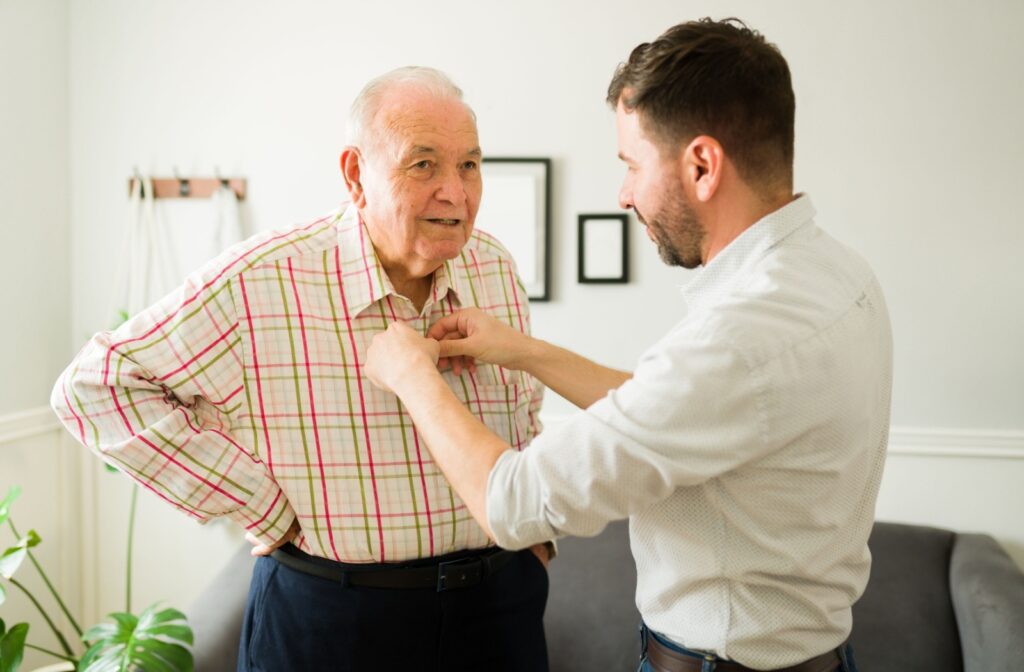
A comprehensive assessment helps determine your specific needs and creates a customized care plan. This personalized approach means you receive support where you need it while maintaining independence in areas where you’re still comfortable managing on your own.
Common Signs It’s Time for Assisted Living
Recognizing when you or your loved one might benefit from assisted living requires paying attention to changes in daily routines and overall well-being. These signs often develop gradually, making them easy to overlook until they become more serious concerns.
A Decline in Personal Hygiene
When you notice yourself or a loved one wearing the same clothes for multiple days, skipping showers, or losing interest in grooming, it may signal that daily self-care has become too challenging. This decline often connects to a loss of energy, strength, or motivation rather than simply forgetting.
Personal hygiene affects both physical health and emotional well-being. Having caring support available can help restore confidence and comfort in maintaining these important daily routines.
Missed Medications or Poor Health Management
Forgetting to take medications or taking them incorrectly can lead to serious health consequences. Warning signs include finding unopened pill bottles, duplicate doses, or noticing that chronic conditions seem to be worsening despite treatment.
Medication management involves more than just remembering to take pills—it includes understanding timing, food interactions, and recognizing side effects. Professional support in this area can significantly improve overall health outcomes.
Social Withdrawal or Isolation
When you start avoiding activities you once enjoyed, stop calling friends regularly, or skip social gatherings, isolation can quickly impact both emotional and physical health. This withdrawal often happens gradually and may seem like a natural part of aging.
Community living provides built-in opportunities for social connection and meaningful relationships. These interactions help nurture personal growth and create a sense of belonging that makes each day more fulfilling.
An Increasing Risk of Falls
Safety concerns become more serious when you notice unsteadiness, unexplained bruises, or hesitation to move around freely. Even one fall can shake your confidence and lead to a cycle of reduced activity and increased weakness.
Having trained staff nearby and accessible living spaces designed for safety can help you maintain mobility and confidence. This support allows you to stay active while reducing the worry about what might happen if you need help.
The Loss of a Spouse
Grief, loneliness, and disrupted daily routines following the loss of a spouse can make independent living feel overwhelming. The social and practical support that your partner provided may be difficult to replace on your own.
Community living offers both emotional support and practical assistance during this difficult transition. Surrounded by caring staff and new friends, you can find ways to celebrate life and create meaningful connections again.
Find the Right Assisted Living Community Today
Choosing assisted living provides safety, personalized support, and peace of mind for both you and your family. When you notice signs that daily life has become more challenging, exploring your options early allows you to make a thoughtful decision rather than waiting for a crisis to arise.
At Parsons House Preston Hollow, our family-owned community has spent 40 years helping residents maintain their independence while providing the caring support they need. Our team members have a heart for seniors and work closely with you to create a care plan that adapts as your needs change—because we believe in making a difference in the lives we have the privilege to serve.
Contact our team today to schedule a tour and explore what our welcoming community has to offer your family.