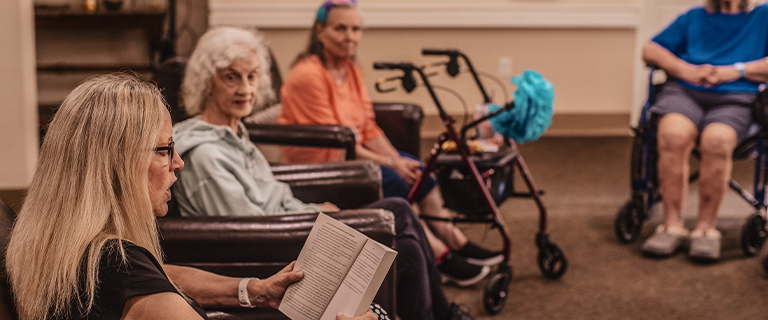

Key Takeaways
- Caring for a parent is a loving act, but it can lead to emotional, mental, and physical exhaustion when you don’t have enough support or respite
- Juggling your own life with caregiving duties can strain your time and finances and even change the dynamics of your relationship with your parent
- Senior living communities can offer a solution by providing tailored support for your parent, which allows you to focus on quality time together
Navigating the Demands of Family Care
Caring for a parent is a journey filled with love and dedication. You want to give them the best support possible, but the weight of responsibility can become overwhelming. Balancing their needs with your own job, family, and personal time is a significant challenge.
The journey, while rewarding, can lead to burnout when you try to manage it alone. Exploring support options like the full continuum of care at Parsons House Preston Hollow can provide a path forward.
Finding a supportive senior living community can restore balance for your entire family, allowing your parent to receive the assistance they need while you return to your cherished role as a son or daughter.
The shift helps you reconnect and create new, positive memories together in a setting designed for personalized wellness and empowering independence.
Recognize the Signs of Caregiver Stress
Recognizing the signs of caregiver burnout is essential for both your health and the quality of care you provide. Prioritizing your well-being isn’t selfish; it’s a necessity so you can continue to support your loved one with patience and strength.
Because burnout often develops gradually and can affect every part of your life, it’s important to watch for these physical and emotional signs before they lead to a crisis.
Emotional and Mental Exhaustion
Feeling emotionally drained is one of the first signs. It’s more than just having a bad day.
You can experience a persistent sense of being overwhelmed, constantly worried, or even irritable with those around you. You might also lose interest in hobbies and activities you once enjoyed, finding it hard to muster the energy for anything beyond your caregiving duties.
- A persistent sense of being overwhelmed or anxious
- Feeling tired or drained most of the time
- Losing interest in activities you once enjoyed
- Feelings of resentment or frustration
Physical Symptoms
Stress does not just affect your mind; it also takes a toll on your body. You may find your sleep patterns disrupted, leaving you either unable to sleep or feeling sleepy all the time.
Chronic headaches, body aches, and a weakened immune system that leads to frequent colds are also signals that your body is under too much strain.
- Changes in sleep patterns
- Sleeping too much or too little
- Frequent headaches or body aches
- Getting sick more often than usual
- Unexplained weight changes
The Challenge to Balance Your Life and Your Parent’s Needs
It’s normal to feel stretched thin when you’re managing your own life in addition to your loved one’s care. The change in roles can strain your time, finances, and relationships. It can feel like you are being pulled in a dozen different directions at once, with no time left for yourself.
How Your Relationship Can Change
When you become the primary caregiver, the dynamic with your parent often shifts. Your focus changes to managing practical matters like medications and meals, or learning new ways to communicate as your loved one’s needs change.
Your new role as a caregiver can overshadow the simple joy of your connection and conversation. The lightheartedness may fade, replaced by a sense of duty that can feel heavy for both of you.
How a Senior Living Community Can Help You Both
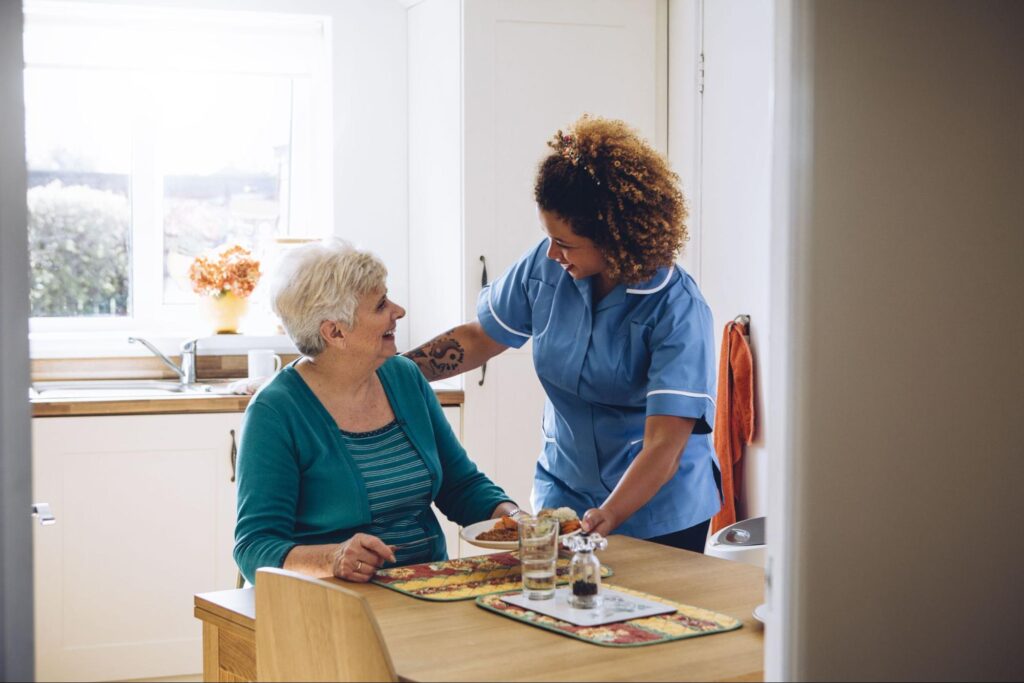
Choosing a senior living community is not about stepping away. It’s about finding a supportive environment where your parent can thrive, and you can return to your most important role as a loving family member.
It’s a decision that can benefit everyone by providing professional support where it is needed most, freeing you to focus on your relationship.
Support for Your Parent
In a community setting, your parent has access to the help they need to maintain their independence while receiving support with daily activities.
The community helps foster a sense of dignity. It allows your loved one to refocus on enjoying their day, knowing help is nearby if needed.
Support can include:
- Access to staff 24 hours a day for assistance with daily tasks
- Chef-prepared, restaurant-style meals that take the stress out of cooking
- Scheduled transportation for appointments and outings
- Engaging activities that make a difference in their social life
A Chance for You to Reconnect
With daily caregiving tasks handled by a dedicated team, you can focus on what truly matters—your relationship. This freedom brings peace of mind and gives you more time to nurture your own personal growth and relationships.
You can visit to enjoy a meal, participate in an event, or simply talk, without a to-do list hanging over your head.
Return to Your Role as a Son or Daughter at Parsons House Preston Hollow
Moving a parent to a supportive community can lift a heavy weight from your shoulders. You can step back from being a caregiver and simply be family again.
You can visit for a pleasant meal, join a fun activity, or enjoy a quiet conversation, knowing all the day-to-day needs are taken care of by a team that serves with compassion.
The change can help you rediscover the joy in your relationship and create new, happy memories together. Seeing your loved one thrive in an assisted living community designed to celebrate life can be a wonderful next chapter for everyone.
Schedule a tour of Parsons House Preston Hollow to see how the community can make a difference for your entire family.